Centre
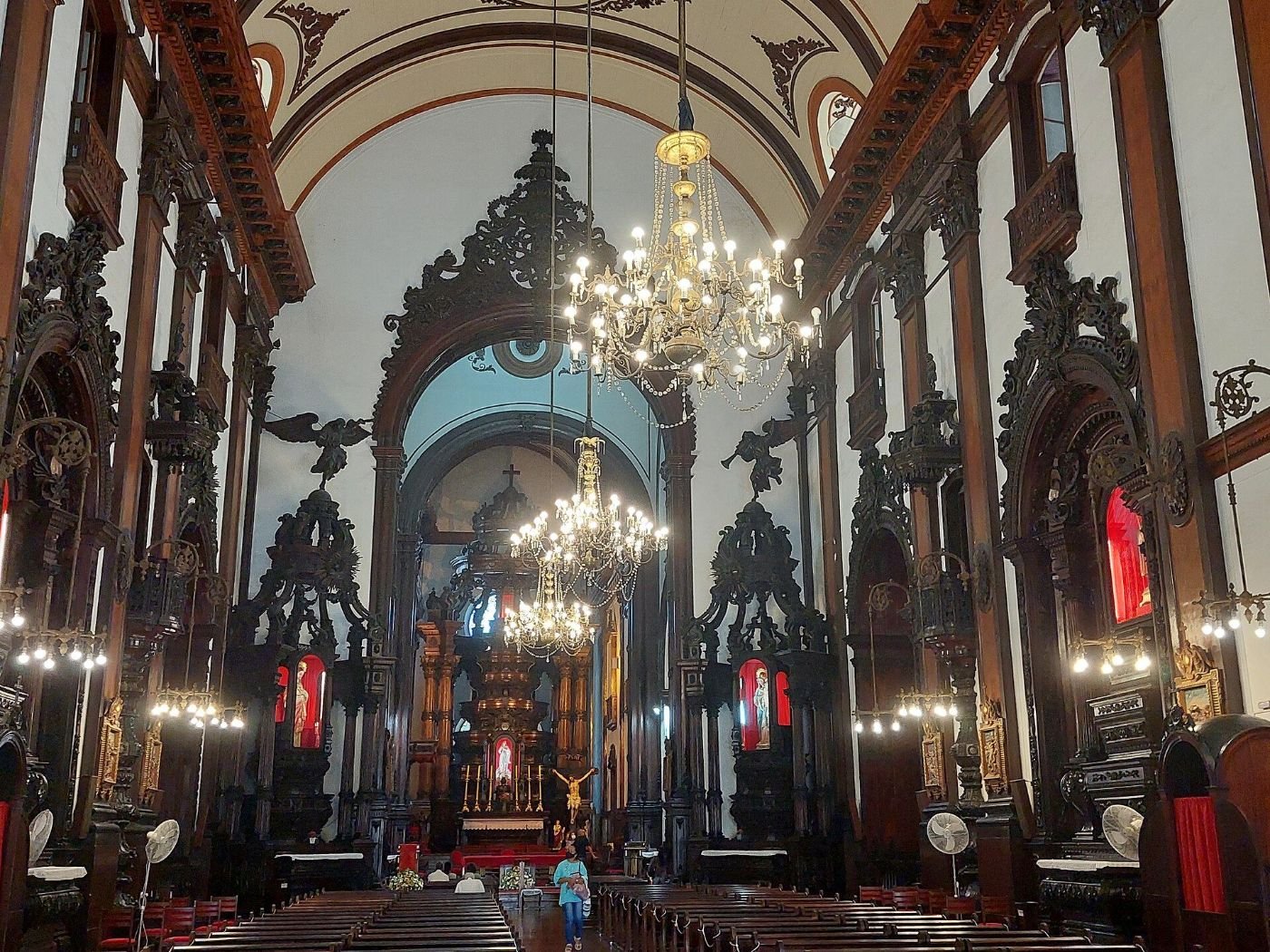
Metropolitan Cathedral
Built between 1807 and 1883 with rammed-earth walls, it is known for its richly carved wooden altars and interior.
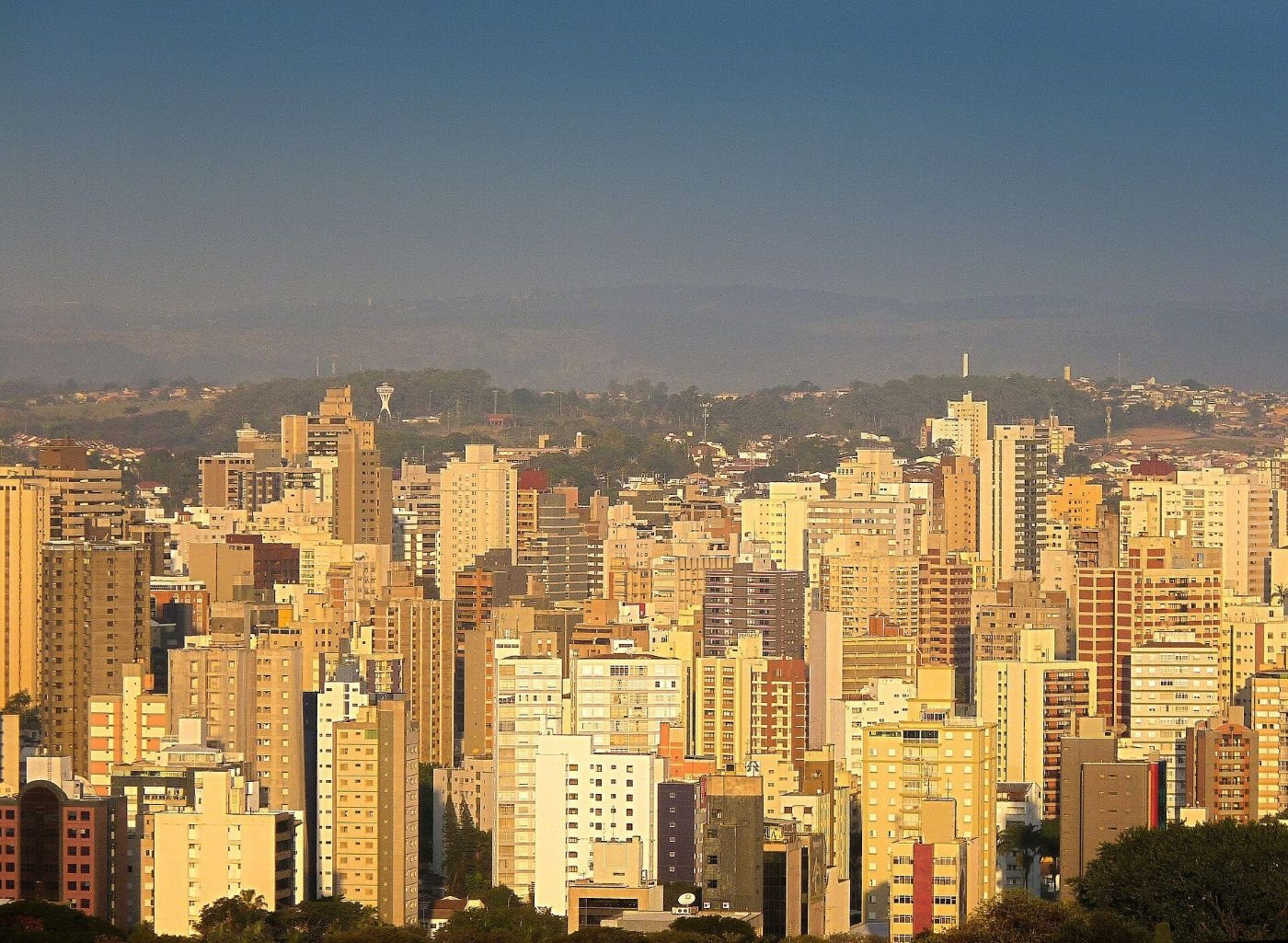
A city of about 1.2 million people in the interior of São Paulo state, born as a stop on the colonial gold route, made rich by coffee, and today one of Brazil's leading centres for science, technology and medicine.
The name means "meadows": open grassland between dense forest that travellers crossed on the way to the gold fields of Goiás and Minas Gerais.
The settlement of Nossa Senhora da Conceição das Campinas do Mato Grosso is founded on 14 July by Francisco Barreto Leme.
Raised to a town under the name Vila de São Carlos, as sugar plantations spread across the region.
Becomes a city and takes back the name Campinas. Coffee soon replaces sugar and the city becomes one of the richest in the Empire.
The Companhia Paulista railway reaches Campinas, linking its coffee farms to the port of Santos. Italian and other European immigrants arrive in large numbers.
Yellow fever epidemics devastate the city and many residents flee. Campinas rebuilds with new sanitation works and adopts the phoenix as its symbol.
Industry, agricultural research and, from 1966, the State University of Campinas (Unicamp) turn the city into a hub of science and technology.
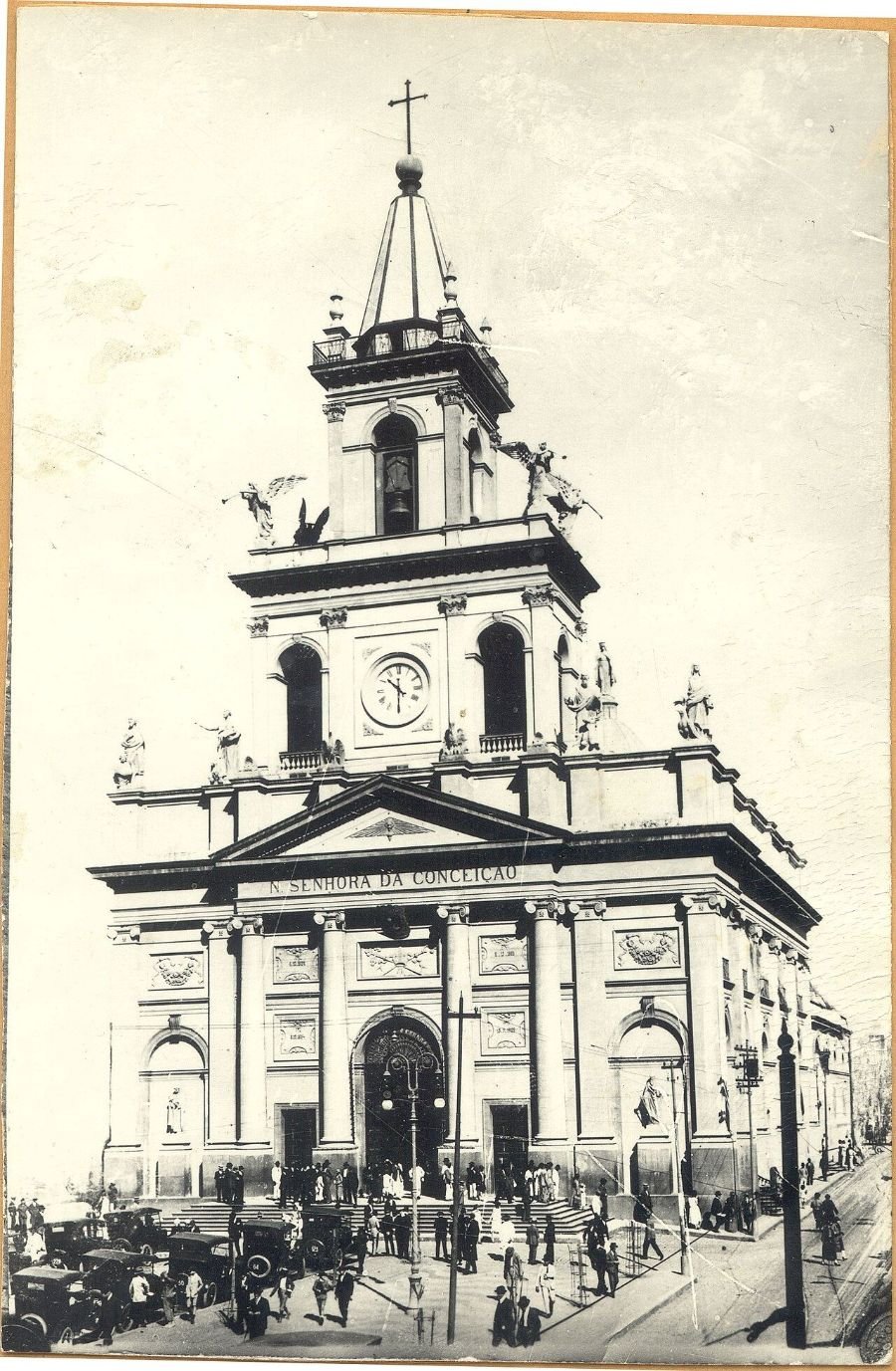
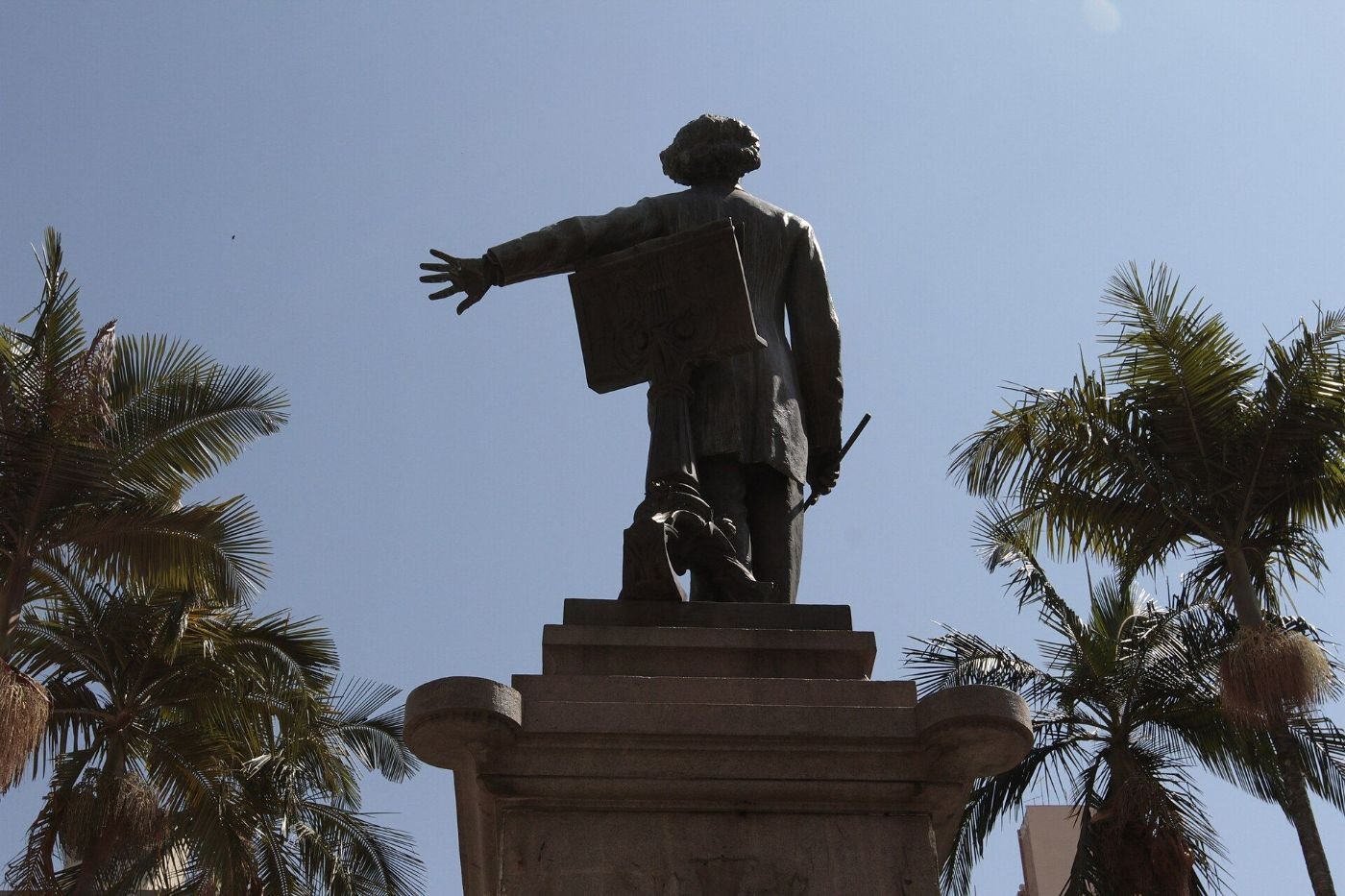
Antônio Carlos Gomes (1836 to 1896), the most celebrated Brazilian opera composer of the 19th century, was born in Campinas.
His opera Il Guarany premiered at La Scala in Milan in 1870 and made him famous across Europe. His remains rest in a monument-tomb in the heart of the old town, a few streets from the cathedral, and the city's main theatre and many of its landmarks carry his name.
Campinas is often called Brazil's Silicon Valley. Universities, national laboratories and hundreds of technology companies sit side by side, with one of the country's busiest airports at the edge of town.
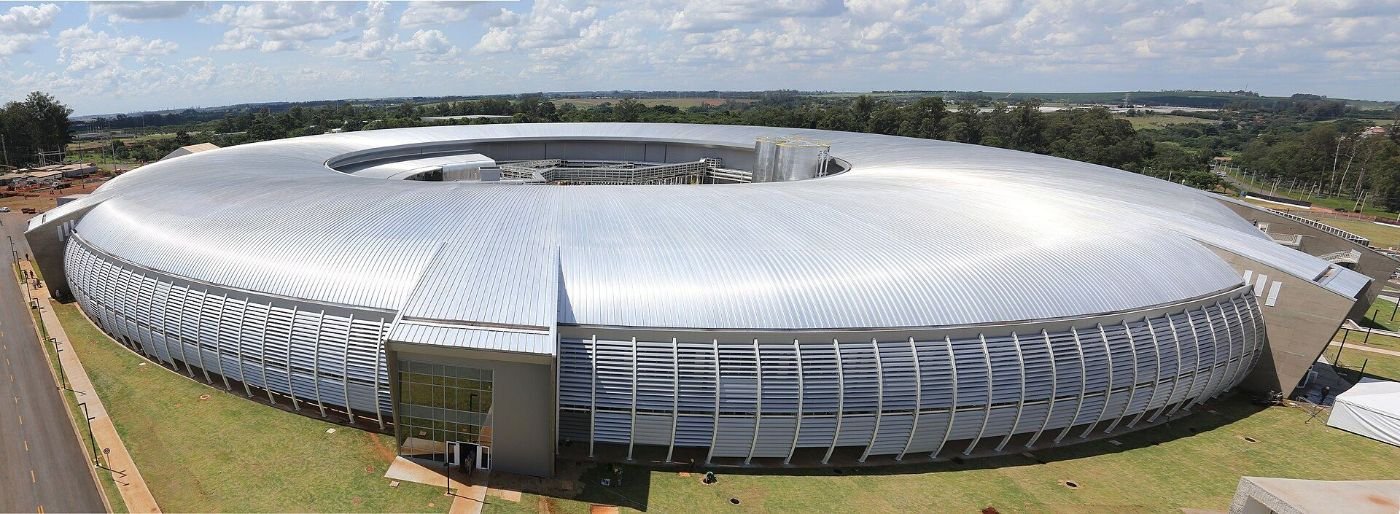
Sirius, inaugurated in 2018, is a fourth-generation synchrotron and one of the most advanced light sources in the world, used for research from new materials to proteins and medicines.
Unicamp, founded in 1966, is one of Latin America's leading research universities, and its Hospital de Clínicas is a major teaching hospital for the region. PUC-Campinas, founded in 1941, also trains doctors and health professionals.
The Agronomic Institute of Campinas (IAC), created in 1887 by Emperor Pedro II, helped modernise Brazilian farming. CPqD and Embrapa units continue the tradition in telecommunications and agricultural technology.
The metropolitan region is one of the largest industrial centres in Brazil, home to multinational plants in automotive, electronics, chemicals and pharmaceuticals, and served by the Anhanguera and Bandeirantes highways.
Viracopos International is the main hub of Azul airlines and one of Brazil's most important cargo airports. It handled about 12.8 million passengers in 2025.
University hospitals, specialist clinics and day hospitals draw patients from across the interior of São Paulo, which is why ISASE and the Aesthetic Global Training fellowship are based here.
Most of the historic sights are in the walkable city centre. Parks and the old coffee-farm districts are a short drive away.
Built between 1807 and 1883 with rammed-earth walls, it is known for its richly carved wooden altars and interior.
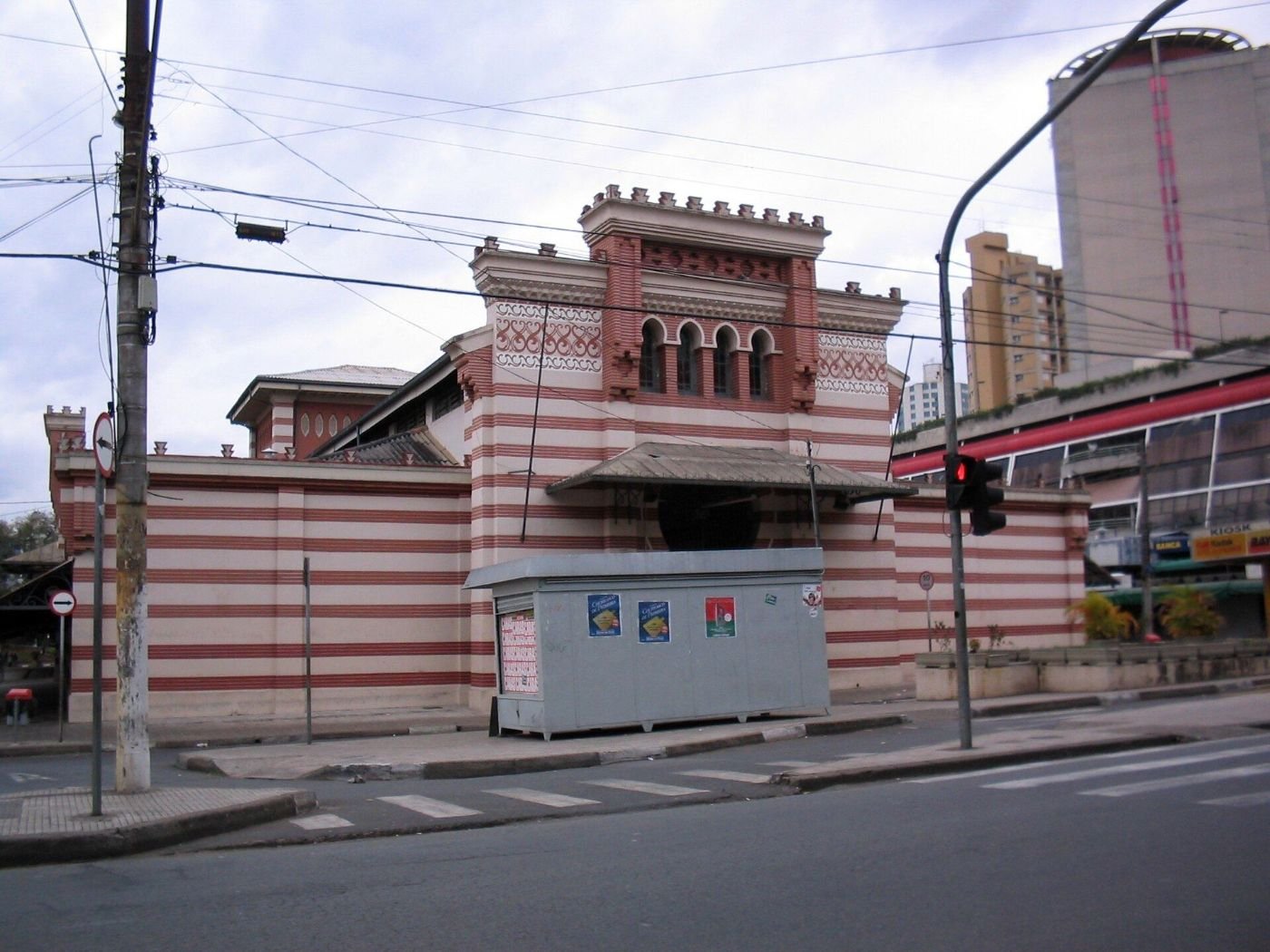
Opened in 1908 to a design by Ramos de Azevedo. Stalls of fruit, spices, cheese and cured meats, plus the classic pastel and fresh juice.
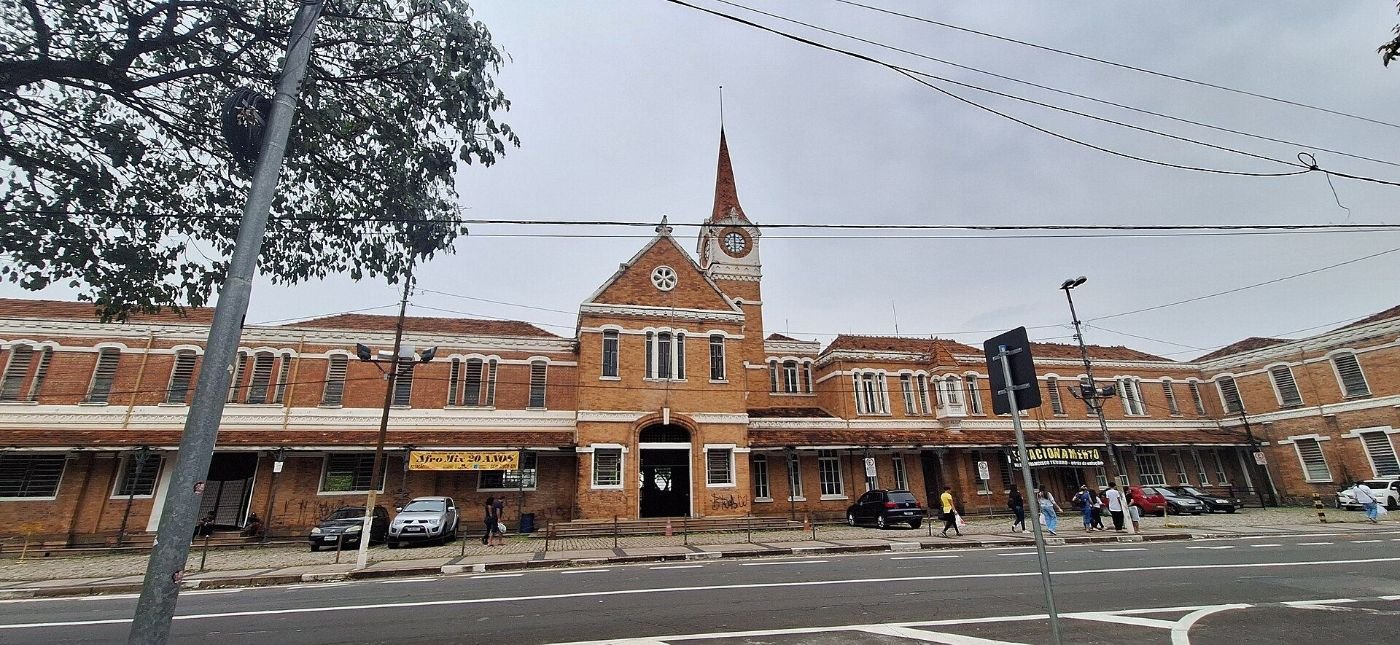
The old Companhia Paulista railway station, a red-brick landmark of the coffee era, now a venue for fairs, concerts and exhibitions.
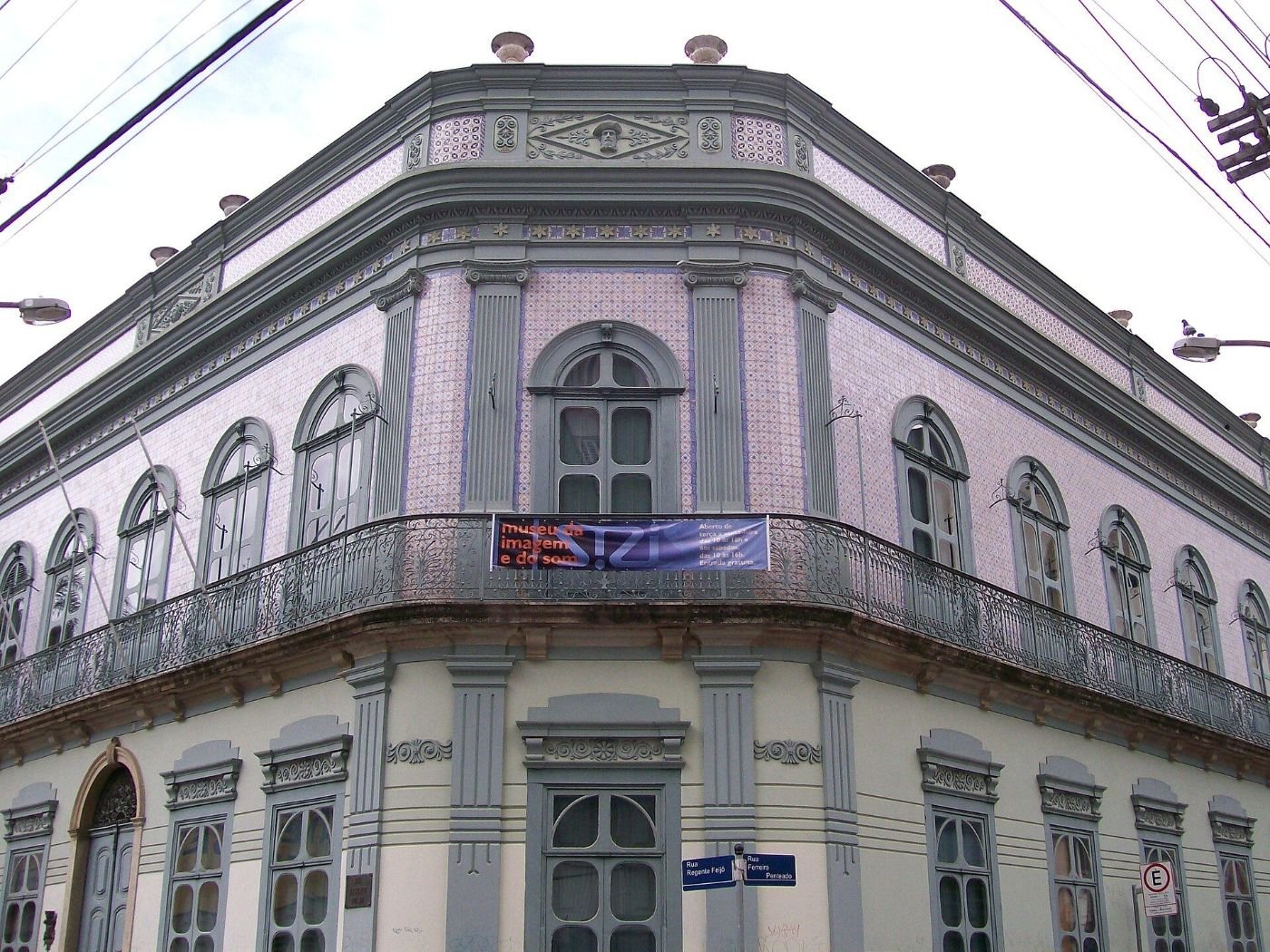
A 19th-century mansion covered in Portuguese tiles, once the seat of the city government and now a cultural space.
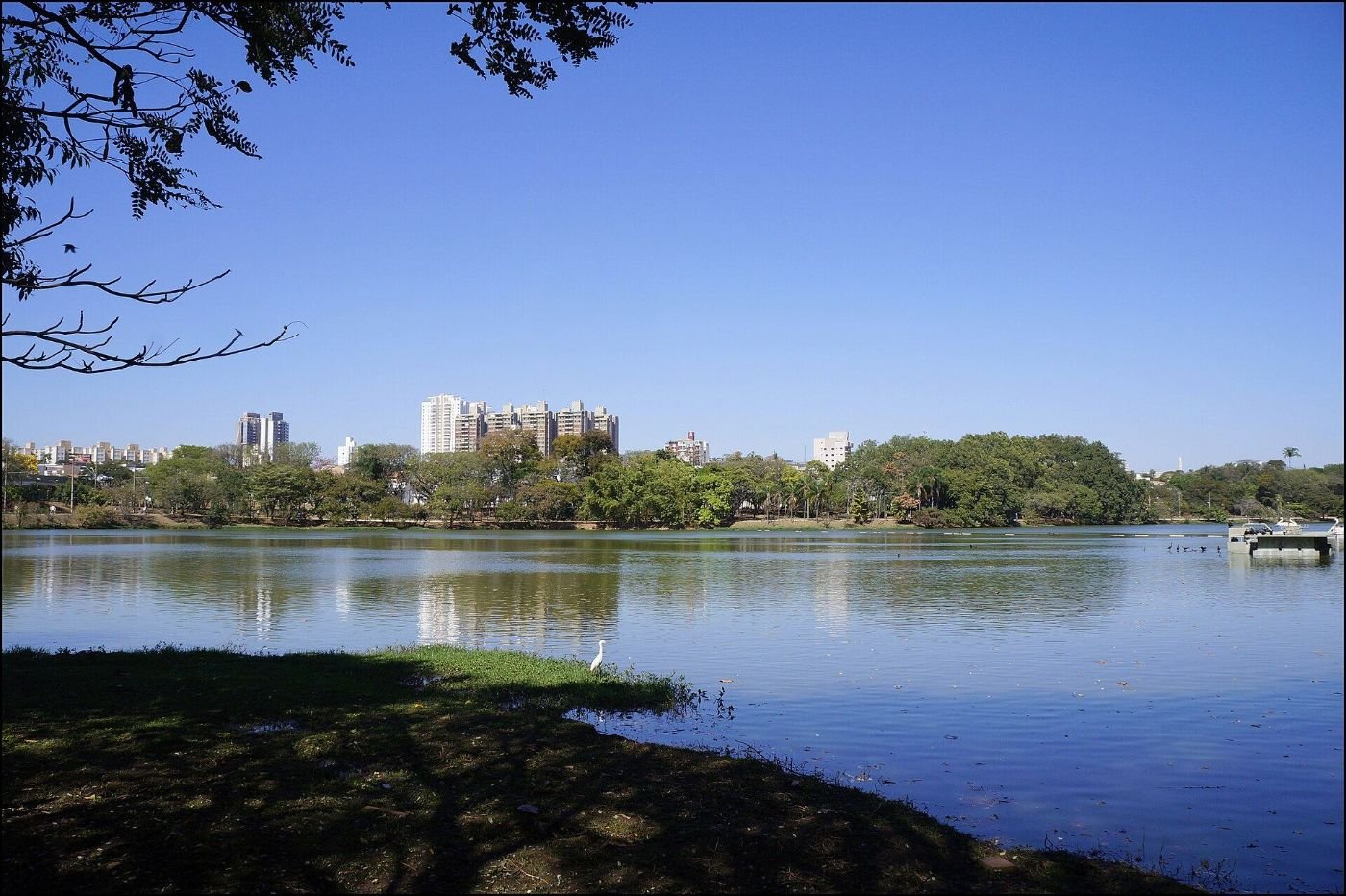
Parque Portugal surrounds a large lagoon with running and cycling paths, pedal boats and a replica Portuguese caravel. The city's favourite weekend spot.
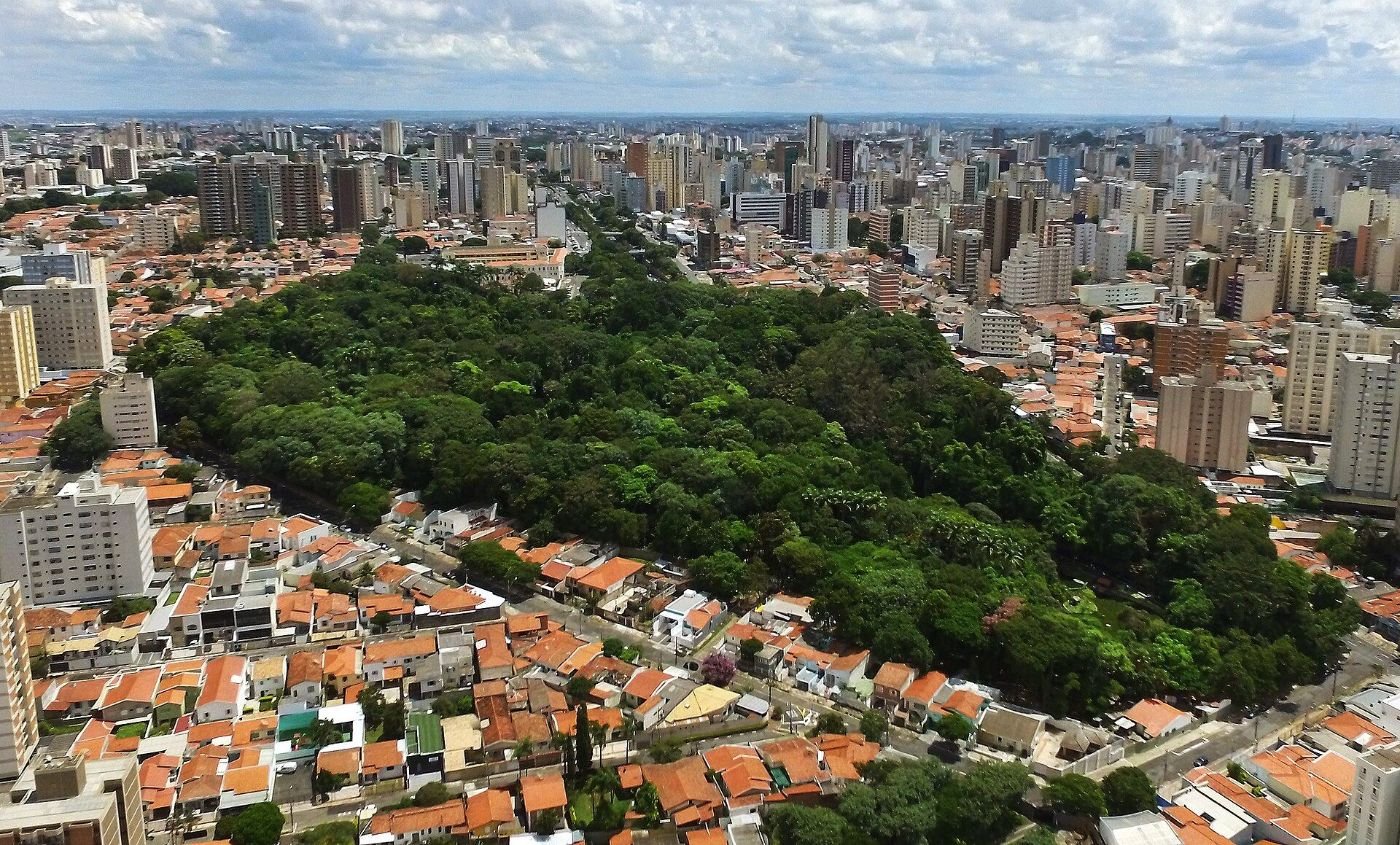
A patch of native Atlantic Forest in the middle of the city, opened to the public in the 1880s, with century-old jequitibá trees and a small zoo.
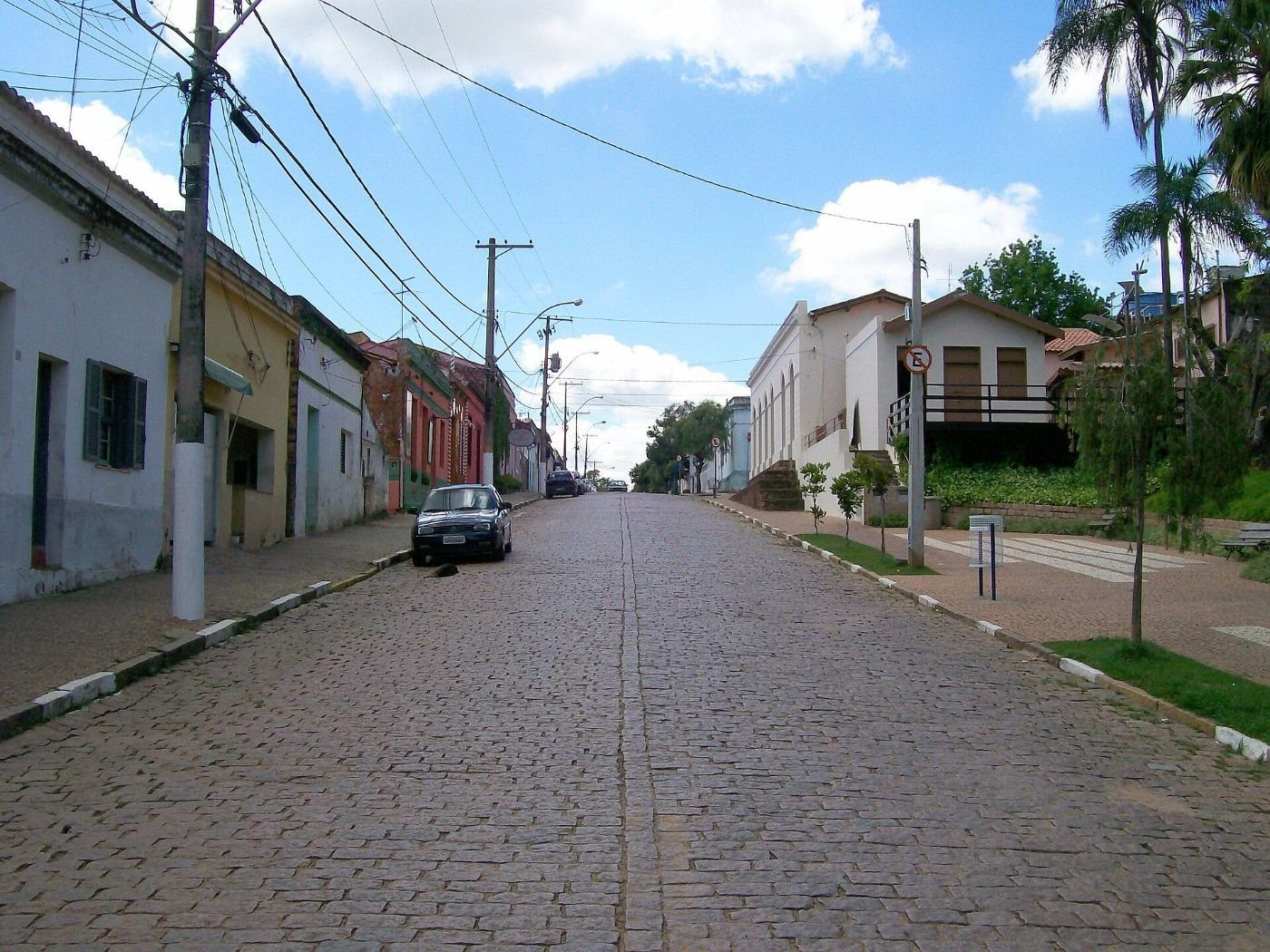
Two leafy districts with cobbled streets, historic coffee farms, waterfalls and country restaurants, popular with cyclists on weekends.
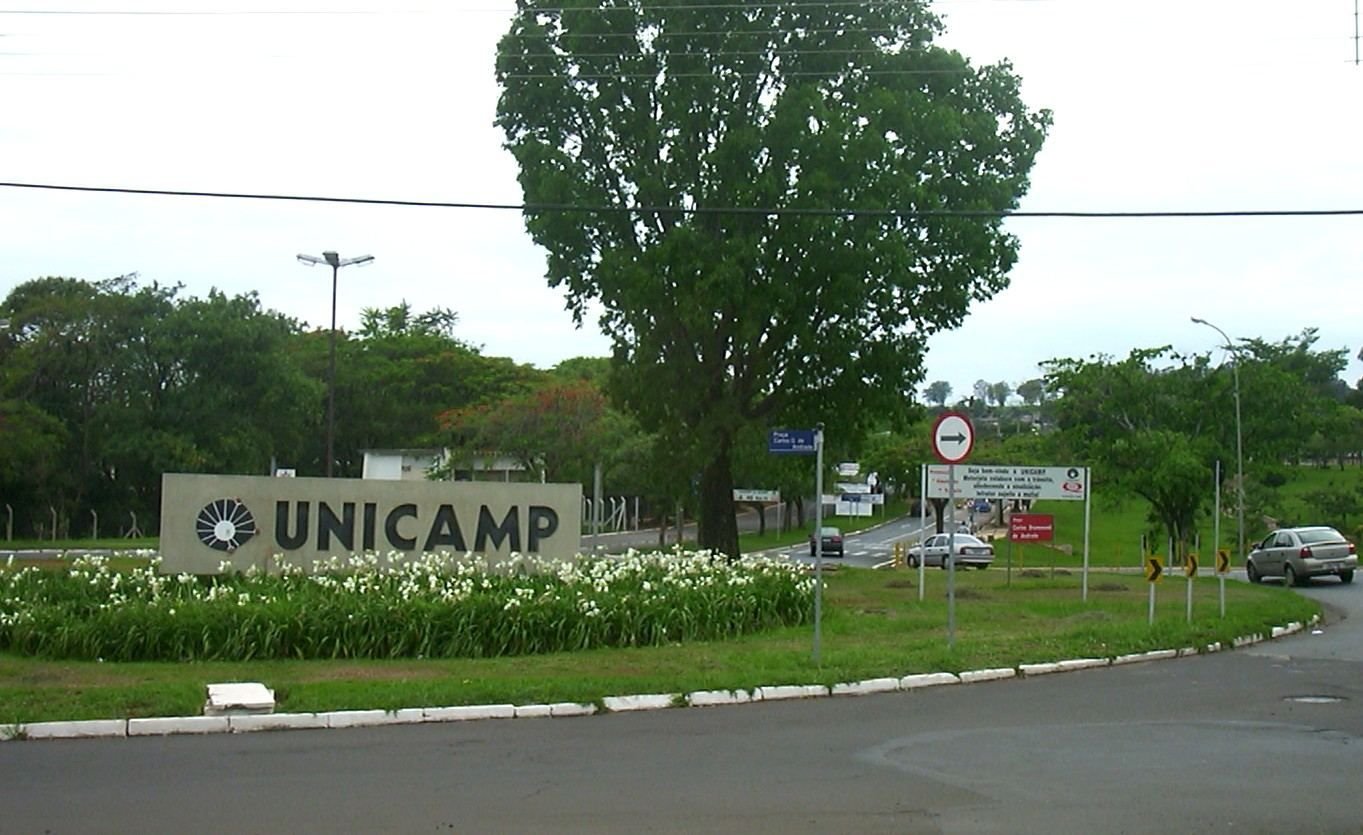
A green university town in the Barão Geraldo district, with museums, cafés and a lively student scene around it.
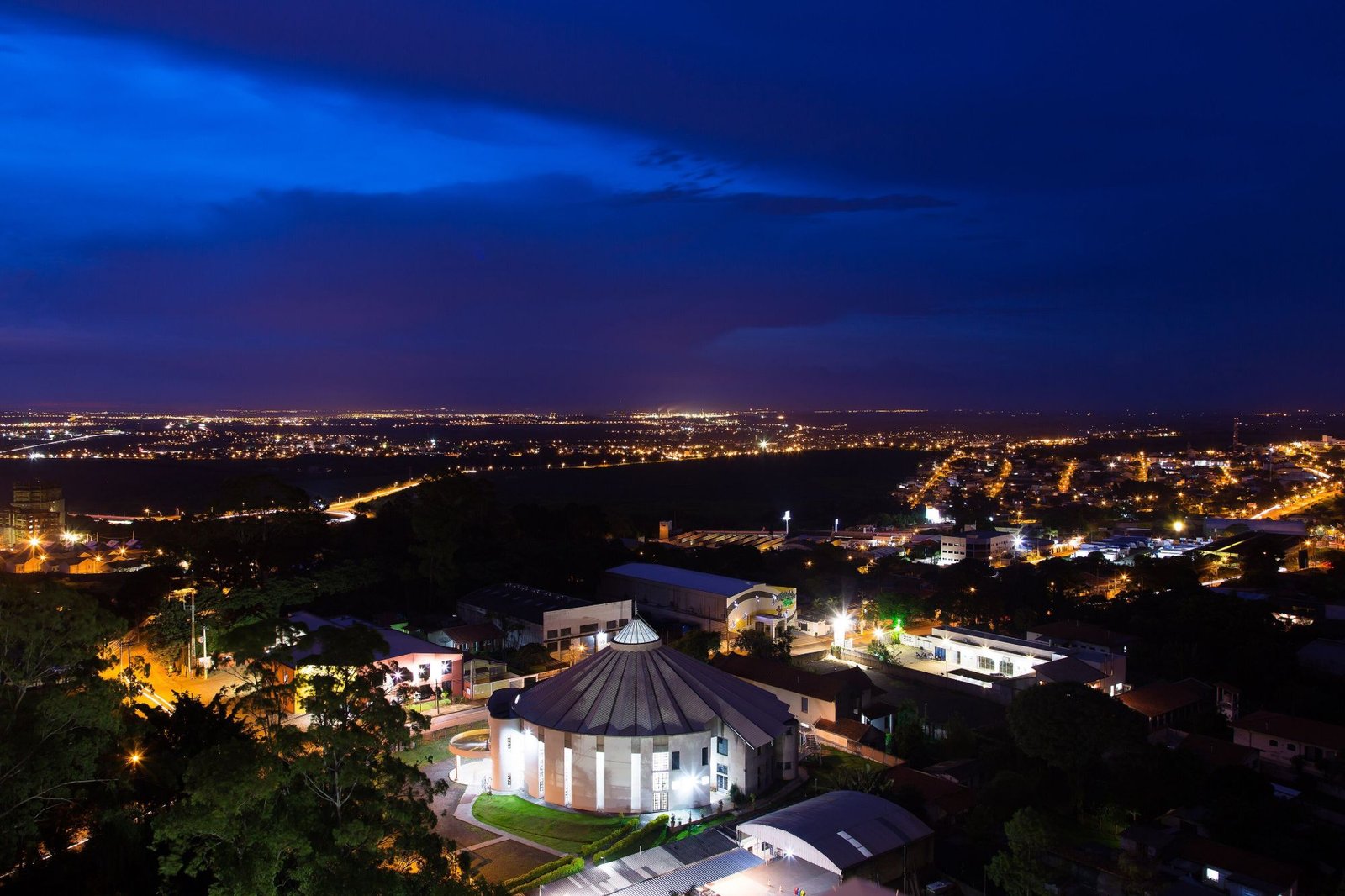
Guarani, Brazilian champion in 1978, and Ponte Preta, founded in 1900, play one of the oldest and fiercest local rivalries in Brazilian football.
Fellows usually stay one or two months. The ISASE office is in Chácara da Barra, next to Cambuí, the city's main residential and dining area.
Images resized for the web. Population figures: IBGE estimates; airport figures: Viracopos.


